How to open a food establishment Part 2 – Establishing and implementing the HACCP system
What is HACCP? HACCP is a quality assurance system from "farm to table".
2023-11-18 · Munch
What is HACCP?
HACCP is a quality assurance system from "farm to table". It is an internationally recognized food safety system and food handling standard that, based on good manufacturing, distribution, and hygiene practices, provides comprehensive quality assurance. It ensures the traceability of individual food items and raw materials, thereby preventing foodborne health hazards and other health-related risks.
Many people fear the HACCP system and its inspections, but it should rather be understood as an opportunity through which a food establishment can demonstrate that it is taking all reasonably expected measures to ensure food safety.
The scope of HACCP
HACCP covers the following areas:
- Procurement (quality and condition of raw materials, auxiliary materials, additives, water, feed).
- Work equipment and workspace (cleanability, environmental management).
- Workforce (hand washing, toilets, personal hygiene, staff health status, work and protective clothing).
- Operations (technology, refrigeration, heat treatment, processing, cleaning and disinfection).
- Preservation (appropriate labeling, pest control, prevention of cross-contamination, packaging, storage, distribution).
The complete methodology and documentation can be found in the HACCP regulation – Hungarian Food Code, (Codex Alimentarius Hungaricus) Directive 2-1/1969, which is also available on the NÉBIH website.
System preparation and implementation
The application of the HACCP system is individual for every food establishment, as each one must prepare its own HACCP manual tailored to their specific operation. But what does this manual contain?
- It's best to start the manual with a floor plan showing the equipment and facilities. This is where you can plan heating and ventilation, and it's also the right time to check that you have the required number and layout of auxiliary facilities (restrooms, changing rooms) for your venue's capacity.
- The second step is the process flow diagram, as the manual must include all food-related process flowcharts – from material handling, through storage processes, to waste management. This section ensures traceability of the food's path.
- In addition, you must include current legislation applicable to the food establishment and the mandatory logs based on these regulations (refrigeration, hygiene, and cleaning logs).
- The above-mentioned logs are important parts of the HACCP manual, which not only help us meet possible inspection criteria but also provide hygiene quality assurance to customers. Descriptions of cleaning and waste management procedures, as well as the pest control system and its documentation, also belong among these logs. In the cleaning procedures section, you must list the cleaning agents used (exclusively those approved by the health authority), the cleaning schedule, work processes, water intake points, and documentation of the processes. In other thematic logs, details such as when and where raw materials arrived, what processing steps they underwent, when they were consumed or subject to waste management procedures are documented.
- Furthermore, applied work instructions must be included, such as work clothing, toilet use, and hand washing.
- Finally, critical control points and their monitoring must be defined. Such critical control points could be the quality of food upon receipt, humidity during storage, or the expiration date of a given food item.
For help in preparing the HACCP log and necessary attachments, the following study can be helpful, or if you prefer to have a professional handle it, you can find numerous specialized companies online.
Expected inspections
During the operation of a food establishment, the mayor's office, the health authority, NÉBIH, and the consumer protection agency can all inspect whether the work is being conducted according to approved documents and in compliance with regulations.
If they find any shortcomings or violations, the mayor's office can close the food establishment to remedy the violation for up to 90 days. If the shortcoming affects an area or is of such an extent that the establishment no longer meets legal requirements, the operating permit can be permanently revoked. The permit can also be revoked if the problems are not resolved within the specified timeframe.
The best way to comply with these inspections is to continuously follow what is written in your manual and to thoroughly review it at least once or twice a year, updating the manual if necessary.
If you've already completed the documentation, set up the facilities, and hired staff, there's just one thing missing to allow you to relax. The peace of mind knowing that if you've prepared or ordered a bit more food than needed, the leftovers won't go to waste. For this, Munch is the perfect solution.
Why join Munch from the start?

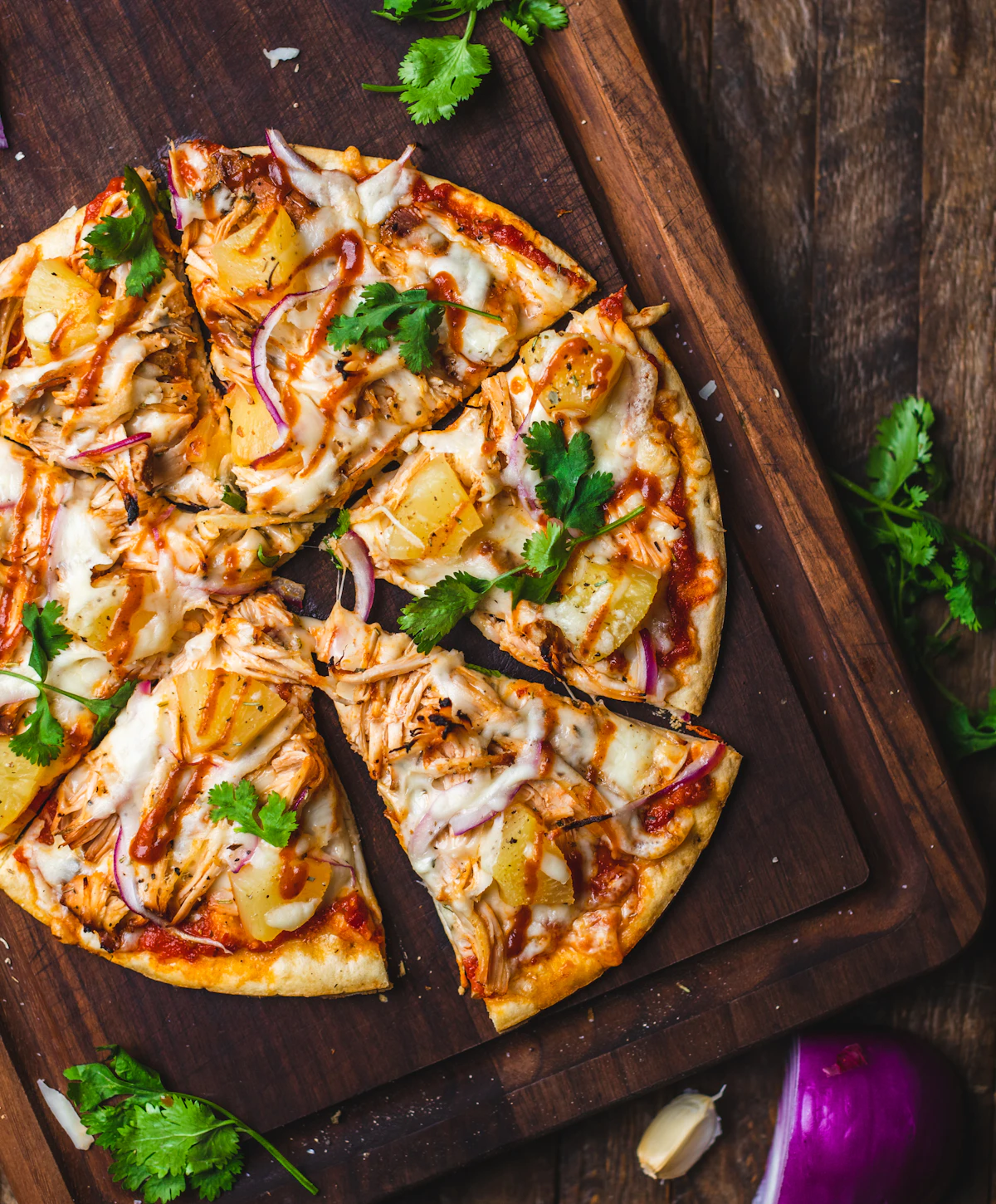

In the early stages, it's very difficult to assess how much demand there will actually be and how much food you need to prepare, especially if it's a food establishment with pre-made meals. Examples include set-menu restaurants, bakeries, and pastry shops. However, there's no need to worry, because Munch was created precisely for this problem – where you can sell leftover food portions, and all it takes is just a few clicks.
You can find more information by clicking the button below.
I'm interested!